

At Lucky Textile Mills, we’re committed to reducing our environmental impact through clean energy, responsible resource use, circular practices, and transparent reporting. Every initiative we adopt moves us closer to a safer, greener, and more sustainable future

In commitment of sustainable energy, Lucky Textile Mills has Initiated 23-Megawatt solar
power project to generate clean, renewable energy while simultaneously offsetting carbon
emissions across its supply chain. The project has been implemented across facility owned
premises. This comprehensive initiative generates approximately 32,000 MWh of electricity
annually and offsets around 16,000 tCO2e every year.
Lucky Textile Mills has successfully commissioned its first biomass project—a biomass boiler with a capacity of 25 tons per hour. The boiler produces steam using agricultural waste as fuel, substantially decreasing dependence on fossil fuels throughout the supply chain. This initiative not only helps conserve fossil fuel usage but also lowers greenhouse gas emissions by approximately 21,000 metric tons each year.

Lucky Textile Mill near-term and long-term greenhouse gas (GHG) emissions reduction targets,
aligned with a 1.5°C pathway, have been officially validated by the Science Based Targets
Initiative (SBTi). This validation encompasses our entire supply chain and operational facilities,
spanning from fiber spinning to the final dispatch of products.
Lucky Textile Mills Limited commits to reduce absolute Scope 3 GHG emissions from purchased goods and services, fuel and energy-related activities, and upstream transportation and distribution by 30% within the same timeframe.
Lucky Textile Mills Limited commits to reduce absolute Scope 1 and 2 GHG emissions by 95% and Scope 3 GHG emissions by 90% by 2050 from a 2022 base year. This target includes land-related emissions and removals from bioenergy feedstock.
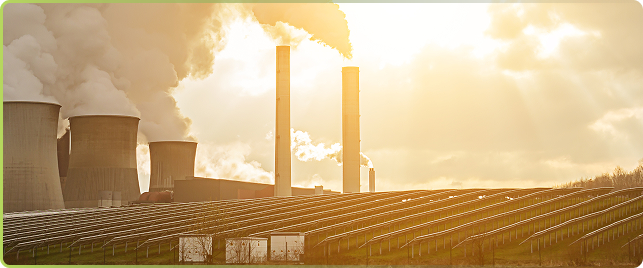

We continually strive to enhance the performance of our green supply chain and sustainability management systems. Our value chain is dedicated to adopting the best practices, organizational systems, and technologies to protect the climate, reduce emissions, and safeguard our surroundings and ecosystems from adverse impacts.
Lucky Textile Mills Limited has invested in a 100 MW offsite wind energy project, “Lucky Renewables”, situated along the coastal belt of Jhimpir, Sindh, to
generate clean, renewable electricity. The energy produced is supplied to the National Grid, offsetting approximately 0.2-million tCO₂e of GHG emissions
annually. This initiative demonstrates the company’s commitment to combating climate change while promoting the supply of green energy for both the
national and local communities.
In its commitment to water stewardship, Lucky Textile Mills has successfully commissioned a wastewater recycling plant with a capacity of 2,500 m³/day to recycle 50% of water from the ETP discharge for reuse in wet processing operations. Through this initiative, the company conserves approximately 450,000 m³ of freshwater annually, significantly reducing its water footprint.
Our Effluent Treatment Plant ensures every drop of wastewater is treated responsibly
using advanced biological processes and DAF technology. With high retention time and
chemical-free pH balancing, we meet global standards for safe and sustainable water
management.

4,500m3/day Capacity to manage and treat industrial effluent responsibly while meeting operational demands.

Uses the Biological
Activated Sludge system, enabling natural, efficient treatment of pollutants without heavy chemical use.

Equipped with DAF technology to remove suspended
solids, oils, and impurities — ensuring cleaner, safer
discharge

Provides over 50 hours of biological retention, allowing microorganisms to thoroughly break down
contaminants for superior treatment quality.

Maintains pH stability without chemical neutralizers, using an optimized exhaust system for safe, eco-friendly balancing.
A commitment to responsible production and a cleaner future; lucky textile mills step a green spin toward sustainable innovation and circularity, Promoting a ‘Waste to Worth’ approach, transform leftovers into valuable resources through an initiative of textile-to-textile recycling plant for cotton and polyester waste. This plant uses soft & hard waste input to recycle textile waste into reusable raw material fiber, offset about 4,000 tons of GHG Scope-3 emissions annually. In addition to preventing waste from being diverted to disposal and reducing carbon emissions, it also contributes to reducing indirect energy and water consumption while promoting a more robust circular economy within the textile sector.
Lucky Textile Mills is at the forefront of sustainable practices with the installation of various best available technologies in our operations, including waste heat recovery boilers, condensate steam recovery systems, and water-to-water and engine jacket water heat recovery systems. Through these technologies, the factory is saving approximately 162,000 MMBTU of natural gas and offsetting about 9,000 tons Green House Gases Emission every year.
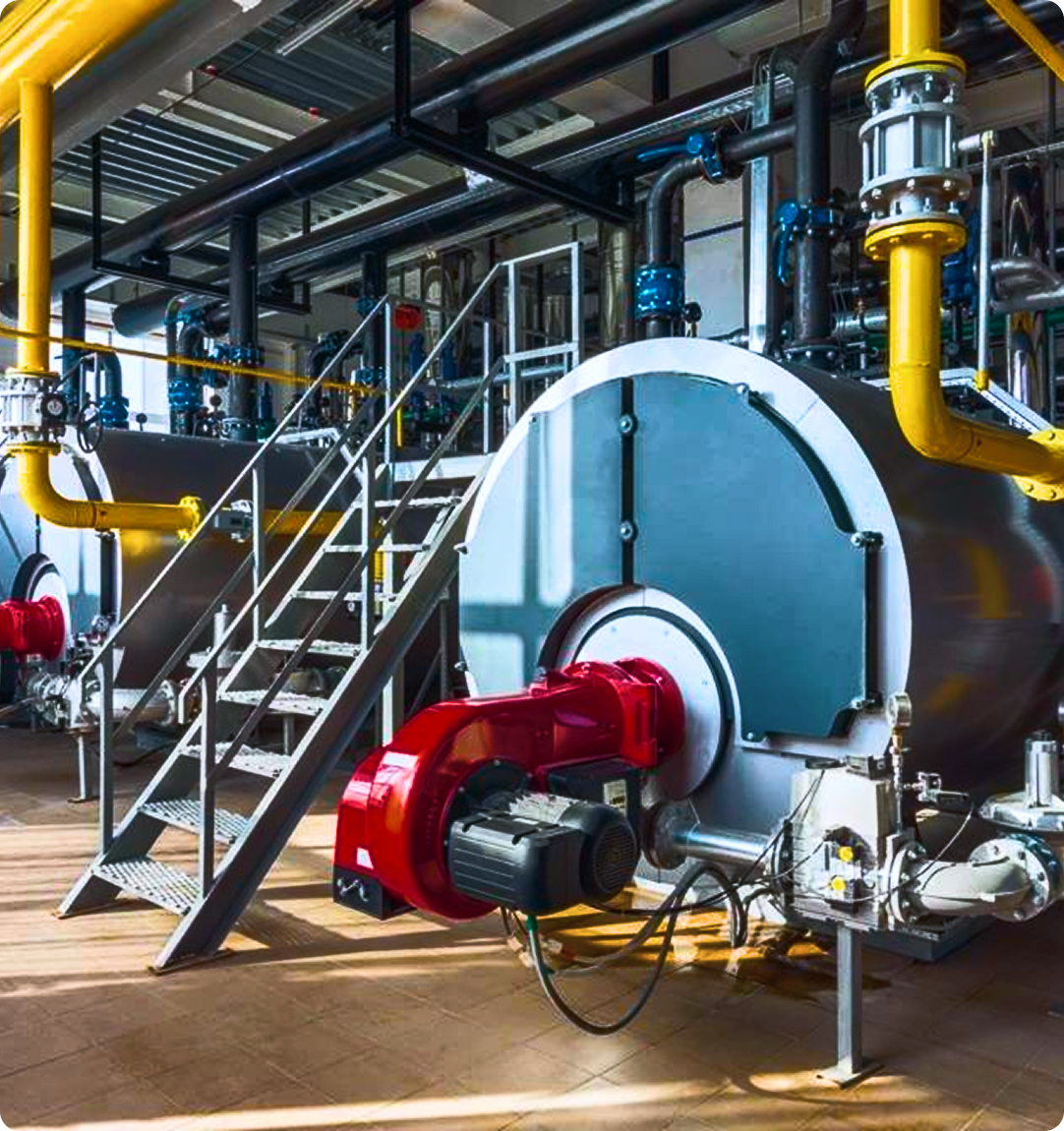
Utilizes high temperature heat from hot waste water and recovery of waste steam through condesate recovery system.
Saves approximately 162,000 MMBTU of natural gas
every year.
Offsets around 9,000 tons of GHG Emissions annually by reducing the fuel use to generate energy.
Lucky Textile Mills remains highly committed to the sustainable sourcing of fibers by integrating a wide range of eco-friendly and certified materials throughout its supply chain. The company utilizes globally recognized sustainable standards such as GOTS, GRS, CMIA, BCI, CICLO, Terylene along with other natural and renewable fibers known for their low environmental and social impacts.
Driving Sustainable Innovation in Textile Manufacturing, Lucky Textile Mills continues to lead the industry by integrating advanced, eco-efficient technologies across its production operations. The company has deployed state-of-the-art and resource-efficient machinery, including sustainable dyeing and finishing technologies, low-liquor-ratio washing systems, and other innovative solutions.
Lucky Textile Mills has committed to detox its chemical supply chain by eliminating all hazardous chemical groups. The factory reports on various chemical management platforms such as BHIVE, SGS Smart Cares, and the ZDHC Gateway to monitor the compliance performance of their dyes and chemicals, ensuring that effluent released into the environment meets stringent safety standards and poses no risk to freshwater or marine ecosystems. We also made significant strides in reducing chemical usage across various operations such as fresh caustic by recovery from CRU plant, Acid in ETP pH tank, not only reducing the risk of hazardous chemicals but also contributes to lowering Scope-3 GHG emissions.

Our Sustainability Report showcasing our performance and initiatives across the area of energy, water, waste, chemicals, SBTi, Green House Gas Emission and more to reflects our ongoing commitment of responsible operations, environmental stewardship, and continuous improvement throughout our value chain
Lucky Textile Mills has executed a 7.5-Megawatt wind renewable energy project to generate clean and green energy, reinforce its commitment to the Sustainable development goals, and reduce greenhouse gas emissions across its supply chain.
Our Environmental Policy reflects our commitment to environment protection, sustainable operations, minimizing environmental impact, and promoting responsible resource use across all aspects of our factory.
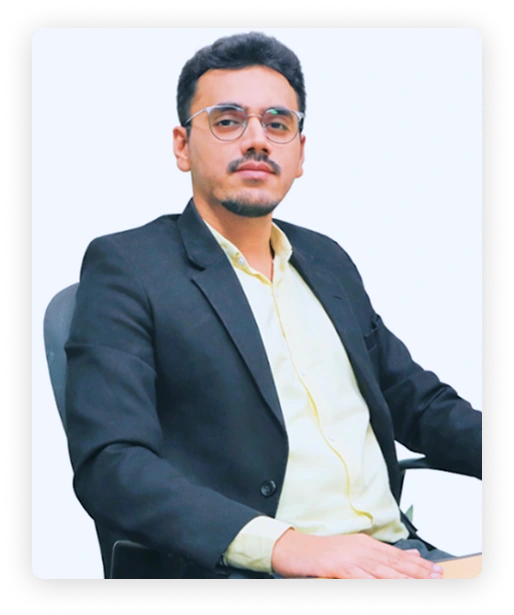
Mr. Mursaleen Usmani is a Senior Manager Environment & Sustainability at Lucky Textile Mills Limited, with over nine years of service leading the organization’s environmental sustainability management systems. Holding a Master’s degree in Environmental Science and multiple international certifications, he oversees green supply chain initiatives, environmental compliance, and global sustainability frameworks across the Group. He has led the integration of SDGs, climate action, global sustainability reporting and Net Zero SBTi ambitions, driving continuous improvement toward responsible and future-focused manufacturing.


